You asked
5 days in Cape Town. Our first time. No car for the first two days, and we want to eat really well.
Planning your trip from our Cape Town guide. This usually takes under a minute.
Which area to stay in
- The short answer
- Sea Point or Green Point. It is safe, it puts you on the promenade and the outdoor lifestyle that makes this city, there are plenty of cafés, restaurants and bars, and you can get into town or escape to the suburbs easily. We spent two weeks in Sea Point and loved it.
- Sea Point specifics
- Aim for the southern end near Mojo Market, which is where most of the evening activity is.
- Add Hout Bay
- If you have time, spend a few nights in Hout Bay for a complete change of scenery, and to reach the False Bay seaside towns and the peninsula more easily. We stayed a week there and used it as a base for cycling.
- The V&A Waterfront
- Extremely clean and resort-like — a bit plastic, honestly. Worth a day of eating and shopping, but not where we would stay for an authentic trip.
- The City Bowl
- Cape Town is not a city you casually explore on foot at all hours, so we would not base a holiday in the CBD. Gardens is quieter and closer to the mountain trails; Bo-Kaap is culturally immersive but suits a night or two rather than a whole stay; Woodstock is creative and a bit gritty.
- The further suburbs
- Constantia for the wine farms, Muizenberg if you are here to surf, Kalk Bay for a quaint fishing village — all lovely, all 20–45 minutes out, and all a bit far from the central attractions for a first trip.
Good to know
How the city is laid out
- Built around a mountain
- Cape Town is spread out, and everything is arranged around Table Mountain — a dramatic centrepiece that is also a physical barrier. Getting from one side of the city to the other usually means driving around the mountain rather than across it.
- Four separate worlds
- The Atlantic Seaboard, the City Bowl, the Southern Suburbs and the False Bay coast operate almost as their own pockets of the city. Distances are longer than they look on a map, and moving between them takes some forethought.
- Plan around it
- Group your days by area rather than criss-crossing. A Chapman's Peak day rolls naturally into Noordhoek, Boulders and Kalk Bay; a City Bowl day covers Bree, Bo-Kaap and the Company's Garden on foot.
Getting around
- Hire a car
- By far the best option. The city opens up completely once you have your own transport, and it is what makes day trips to the Winelands, Cape Point and the coastal roads possible. Roads are in good condition, signage is clear, and South Africans drive on the left.
- Four-way stops
- Many junctions use four-way stop signs, which feel confusing at first. They work first-come, first-served: the first vehicle to stop goes first, then the others in order of arrival.
- Traffic and driving style
- Rush hour is roughly 7–9am and 4–6.30pm, and traffic in and out of the City Bowl slows considerably. Driving styles can feel more erratic than in the UK, so stay alert.
Safety
- The honest version
- We spent four weeks here on our first trip and did not have a single issue, and came back again the following year. Cape Town has real crime, and certain neighbourhoods have high rates, but those are generally not the areas visitors spend time in. The realistic risk to a tourist is losing valuables — a wallet, a phone, a camera — rather than personal harm.
- Explore in daylight
- Enjoy the city during the day when the streets are busy and better watched. After dark, take an Uber to where you are going and another one home rather than wandering to see what is around. If you want to experience Cape Town at night, do it with locals who know what they are doing.
- Act like you know where you are going
- Avoid standing on corners looking lost or glued to a map app — confidence deters opportunists. Step into a shop or café to check your route. When you park, work out in advance how you will pay and which way you are leaving.
Food to try
- KoesiesterA soft, spiced doughnut drenched in syrup and dusted with coconut. Warm, sticky and fragrant — the Cape Malay Sunday morning.
- MebosSun-dried apricot fruit rolls in a tangy-salty sugar coating. Sweet, sour, chewy and salty all at once, and completely addictive.
 The braaiNot a barbecue. A social ritual and a core part of local culture — and if you are in an Airbnb here, you almost certainly have one.
 SnoekA local fish with a distinct flavour that you will not easily find outside South Africa. Just watch out for the bones.
Read the full write-ups
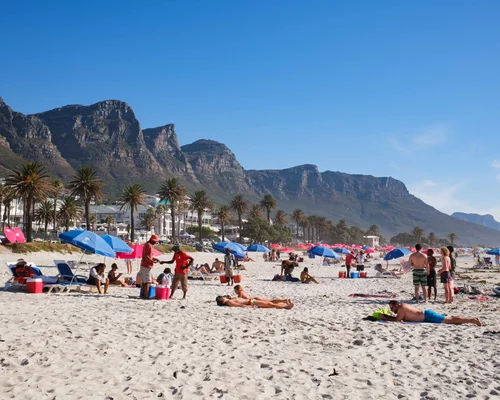 The Best Things To Do in Cape TownCape Town has it all. Stunning beaches, incredible food, and endless outdoor adventures. We spent a month exploring the city and this guide brings together our favourite things to do, from sunset spots and food tours to running clubs, wine bars, and fine dining.
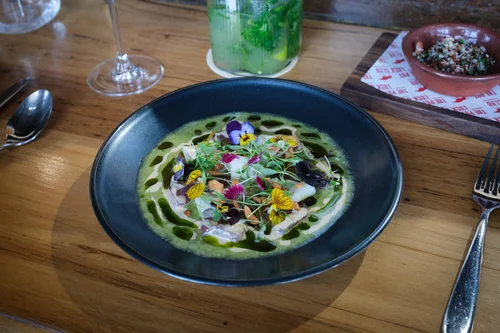 The Best Restaurants in Cape TownOur list of the best restaurants in Cape Town, South Africa
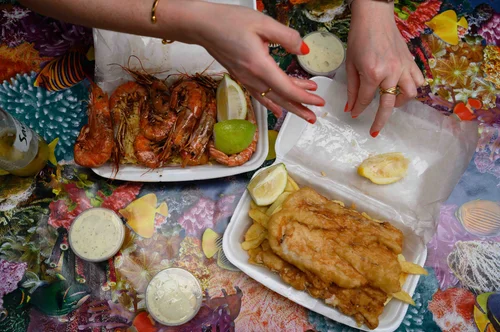 A Foodie’s Guide to Cape Town’s NeighbourhoodsA guide to the different neighbourhoods of Cape Town and the best places to eat and drink.
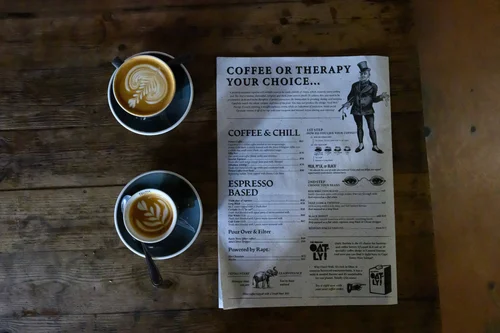 A Guide To Speciality Coffee in Cape Town - Our Top SpotsOur guide to the best coffee shops in Cape Town
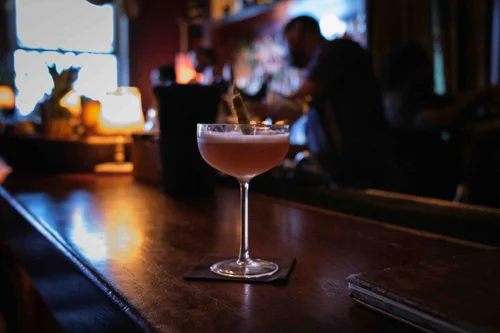 Best Cocktail Bars in Cape Town: Rooftops, Speakeasies & SundownersOur top picks for cocktails in Cape Town.
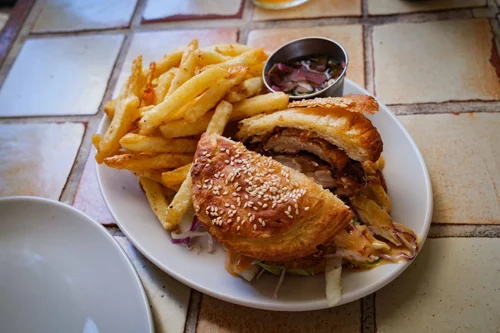 The Three Best Burger Places in Cape TownOur three favourite burger places in Cape Town, with others that are on our list to hit up next.

